

Most hotel furniture does not fail because of bad carpentry.
It fails because it was specified like residential furniture.
As manufacturers working on hospitality projects, we repeatedly see the same pattern:
Furniture looks great on handover
Minor complaints start within 12–18 months
By year 3, replacement discussions begin
The issue is not aesthetics.
It’s engineering.
If you’re developing, renovating, or operating a hotel, this breakdown will help you avoid expensive lifecycle mistakes.
Hotel Furniture Is Not Residential Furniture
A hotel room experiences:
15–25 wardrobe operations per day
Daily chemical cleaning
Frequent luggage impact
High humidity variations
Constant bed load cycles
24/7 operational usage
Residential furniture is designed for comfort.
Hotel furniture must be designed for repetition, abuse, and maintenance efficiency.
When residential logic is applied to hospitality projects, the lifespan drops dramatically.
Where Hotel Room Furniture Actually Fails
1️⃣ Hardware Fatigue (Hinges & Runners)
Most wardrobe failures start here.
Common problems:
Hinges lose alignment
Doors start sagging
Drawer runners stop closing smoothly
Why it happens:
Standard residential hardware used
No cycle testing considered
Under-specification to reduce cost
Hotels require commercial-grade, high-cycle hardware rated for repetitive usage.
2️⃣ Substrate Swelling & Core Failure

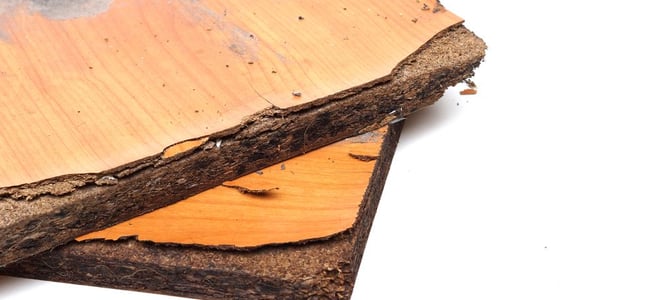
This is especially common in humid regions like:
Mumbai
Goa
Chennai
Moisture exposure from:
Cleaning mops
Bathroom humidity
AC condensation
Seasonal weather variation
Standard MDF or low-grade particle board absorbs moisture and expands.
Result:
Laminate bubbling
Veneer cracking
Base panels disintegrating
Hospitality projects must use moisture-resistant or BWP-grade substrates in critical zones.
3️⃣ Edge Band Peeling & Impact Damage
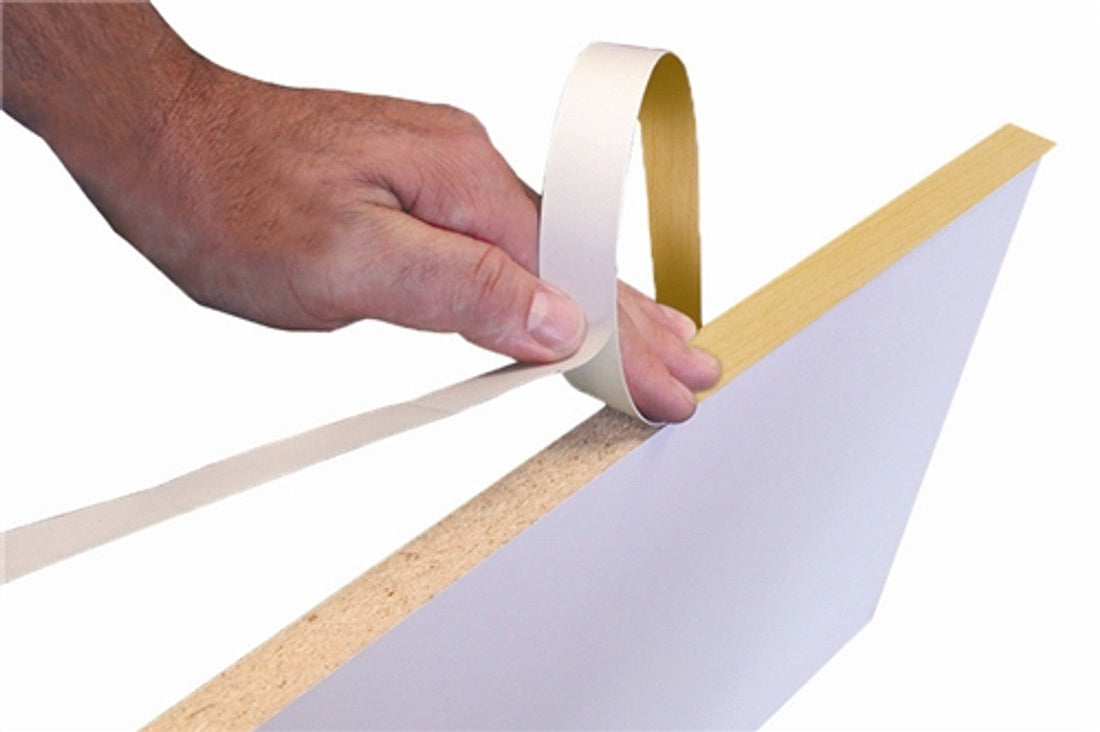
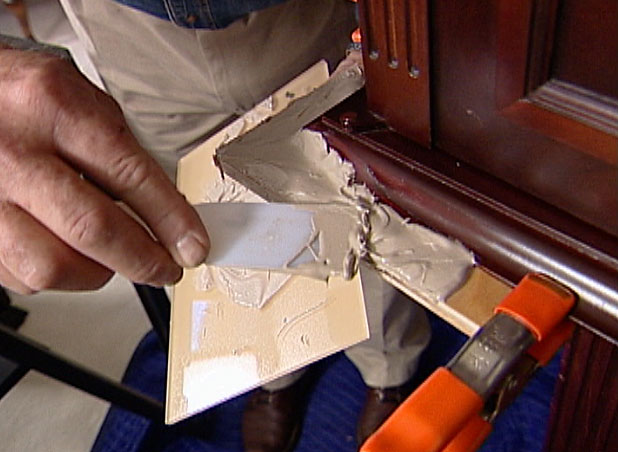
Luggage hits edges daily.
Thin edge bands (0.8mm–1mm) fail quickly in hotels.
Result:
Corners chip
Laminate starts peeling
Visual deterioration within 2–3 years
For hospitality, high-impact zones should use:
Minimum 2mm edge band
Proper adhesive bonding
Edge sealing in moisture zones
4️⃣ Polish Breakdown Due to Cleaning Chemicals
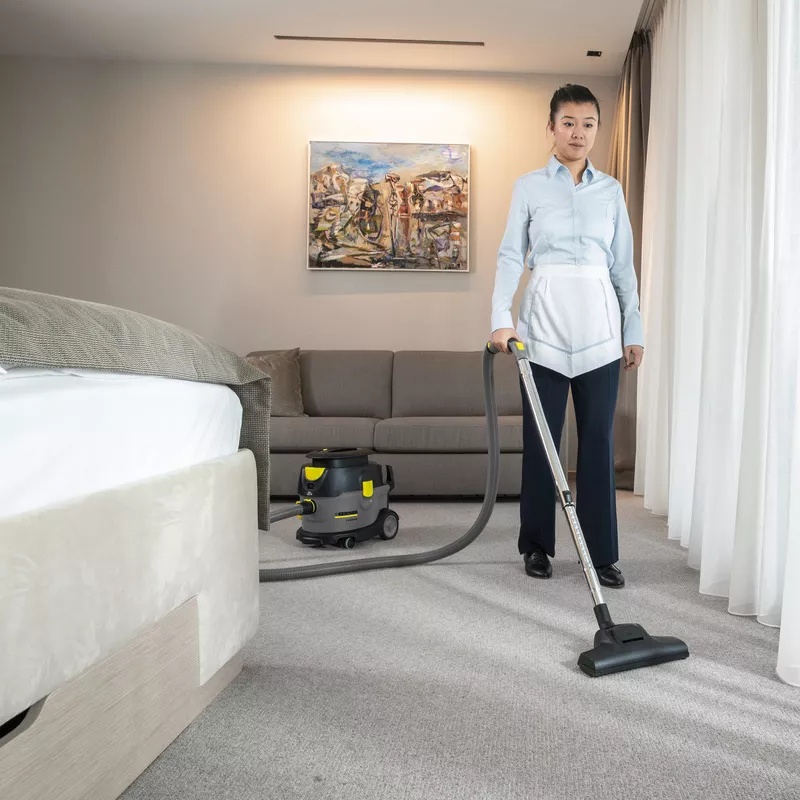
Hotel housekeeping uses chemical cleaners daily.
If polish is not chemical-resistant:
Gloss fades
Surface becomes patchy
Finish dulls unevenly
Many projects specify decorative polish systems without considering chemical exposure.
Hospitality requires:
Chemical-resistant polish
Factory-controlled finishing
Durable coating systems
Glossy finishes look premium — but amplify wear.
5️⃣ Weak Bed Structures & Noise Issues

Beds take continuous load cycles.
Common failures:
Sagging center support
Creaking noise
Structural looseness
This is often caused by:
Lightweight frames
Insufficient reinforcement
Cost-driven structural reduction
Hotel beds must be engineered for:
Repeated load cycles
Long-term stability
Easy maintenance
The Real Problem: BOQ Stage Decisions
Most durability failures originate at:
Specification stage.
When BOQ focuses only on:
Finish appearance
Thickness
Cost per key
But ignores:
Cycle testing
Load engineering
Chemical exposure
Serviceability
The project is set up for early deterioration.
How to Make Hotel Furniture Last 10+ Years
Now the important part.
Durability is not accidental.
It is engineered.
✅ 1. Specify Commercial-Grade Hardware Only
High-cycle hinges
Heavy-duty runners
Tested mechanisms
Do not treat this as a minor cost line item.
It determines functional lifespan.
✅ 2. Use Moisture-Resistant Core in Critical Zones
Especially for:
Bathroom vanities
Wardrobe bases
Mini-bar cabinets
Moisture exposure is guaranteed in hospitality environments.
✅ 3. Upgrade Edge Protection
2mm edge band in high-impact areas
Proper edge sealing
Strong adhesive application
This alone can extend furniture life by years.
✅ 4. Choose Chemical-Resistant Finishes
Discuss with manufacturer:
Cleaning protocol
Type of chemicals used
Gloss level expectations
High gloss looks premium but requires correct coating system.
✅ 5. Engineer Beds Structurally
Reinforced frames
Strong joinery
Load-bearing design
Bed failure impacts guest experience immediately.
✅ 6. Design for Maintenance
Ask:
Can panels be replaced individually?
Is plumbing accessible?
Can repairs be done without dismantling entire room?
Serviceability reduces operational downtime.
Lifecycle Thinking vs Initial Cost Thinking
The biggest mistake in hospitality furniture:
Choosing the lowest capex option.
If furniture lasts 3 years instead of 10:
Replacement cost multiplies
Room downtime increases
Guest dissatisfaction rises
Brand perception suffers
The lowest initial cost is often the highest lifecycle cost.
Final Thought
Hotel furniture must be engineered, not decorated.
A hotel room is not a bedroom.
It is a commercial environment operating every day.
If you’re planning a new hospitality project — whether boutique, mid-scale, or luxury — decisions made at BOQ stage will determine your maintenance cost for the next decade.
Before freezing specifications, ask:
Is this built for 24/7 usage?
Is it moisture-ready?
Is it chemical-resistant?
Is it cycle-tested?
Is it serviceable?
The difference between 3 years and 10+ years is not craftsmanship.
It is specification strategy.
For more information – https://encoreprimefurniture.com/encore-prime-spaces/encore-hospitality/